Study Tips and Planning Help
Study schedules, note-taking methods, exam revision and planner setup, explained step by step so you can use them this week.
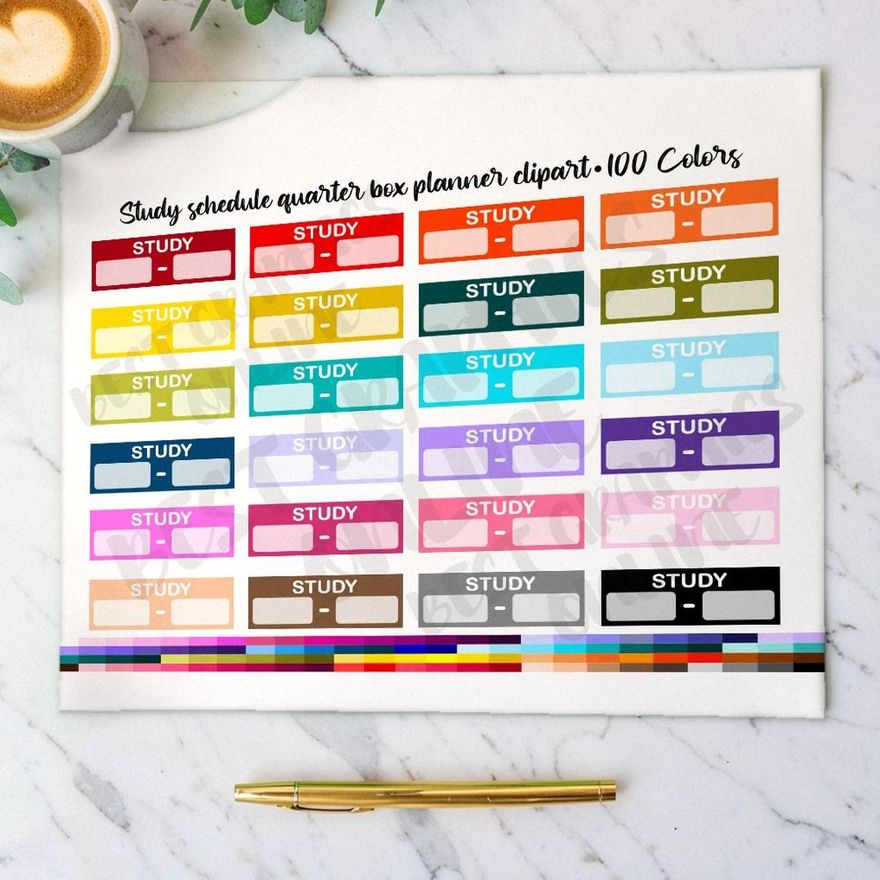
How to Make a Study Schedule You Will Actually Follow
Build a weekly study schedule from the hours you really have: fixed commitments first, a share for each subject, named time blocks and a weekly review.
Read the guide →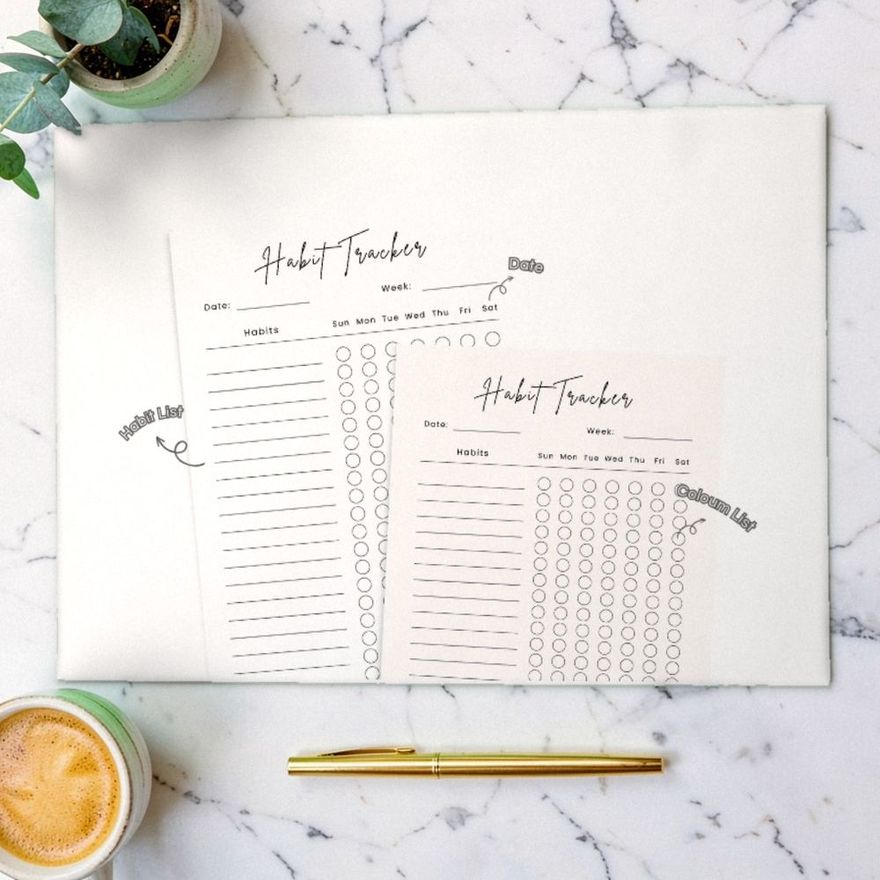
Study Tips That Work: Active Recall, Spacing and Focus
The study methods with the strongest support, in plain words: test yourself, space your sessions, mix problem types, work in focus blocks and sleep.
Read the guide →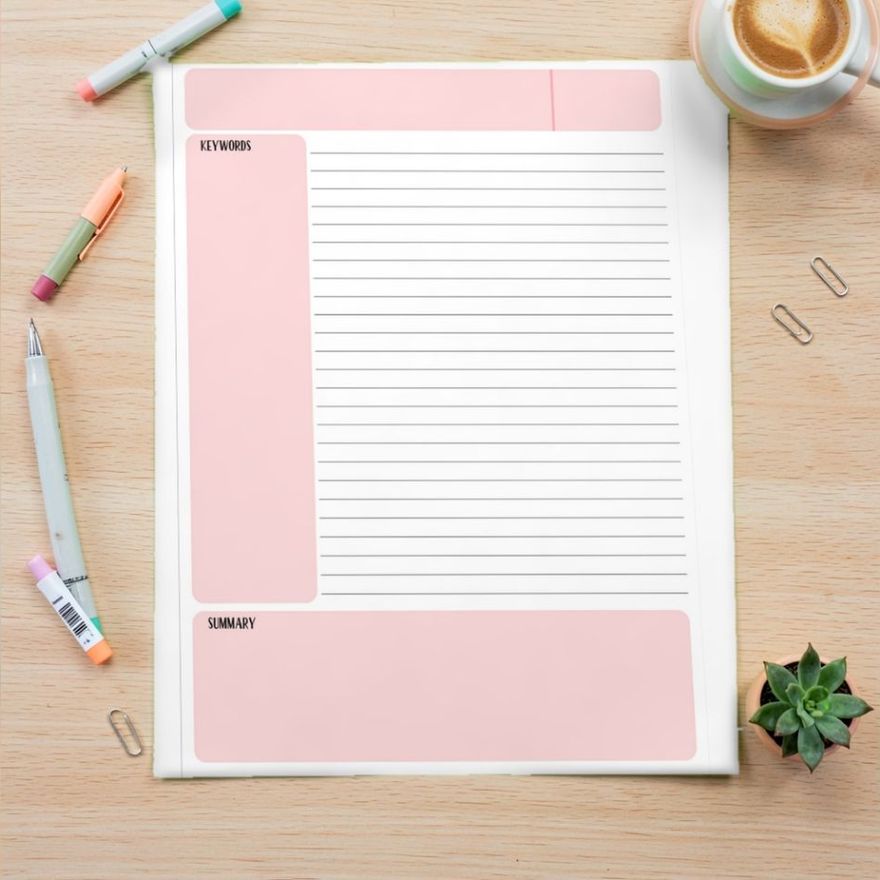
Note-Taking Methods Compared: Cornell, Outline, Mapping and More
Five note-taking methods side by side: Cornell, outline, mind map, charting and sentence. What each is best for, how much effort it takes and how it reviews.
Read the guide →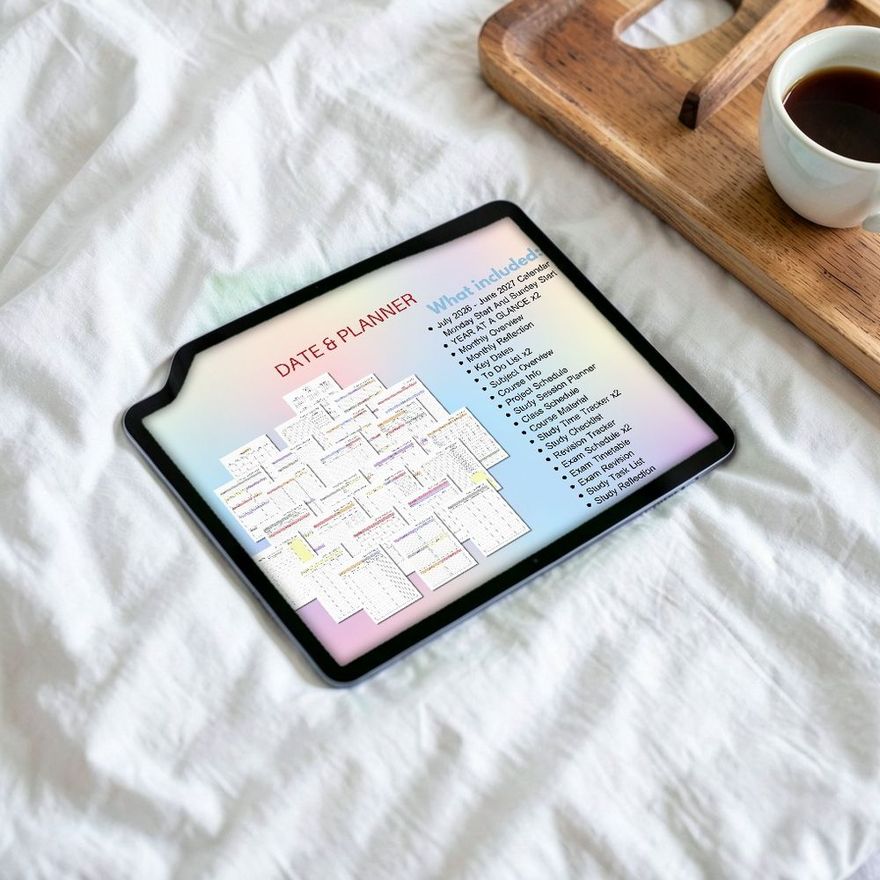
How to Build an Exam Revision Plan, From Topic List to Test Day
A step-by-step exam revision plan: count back from the dates, list and rate every topic, hand out your sessions, use past papers, and plan the final week.
Read the guide →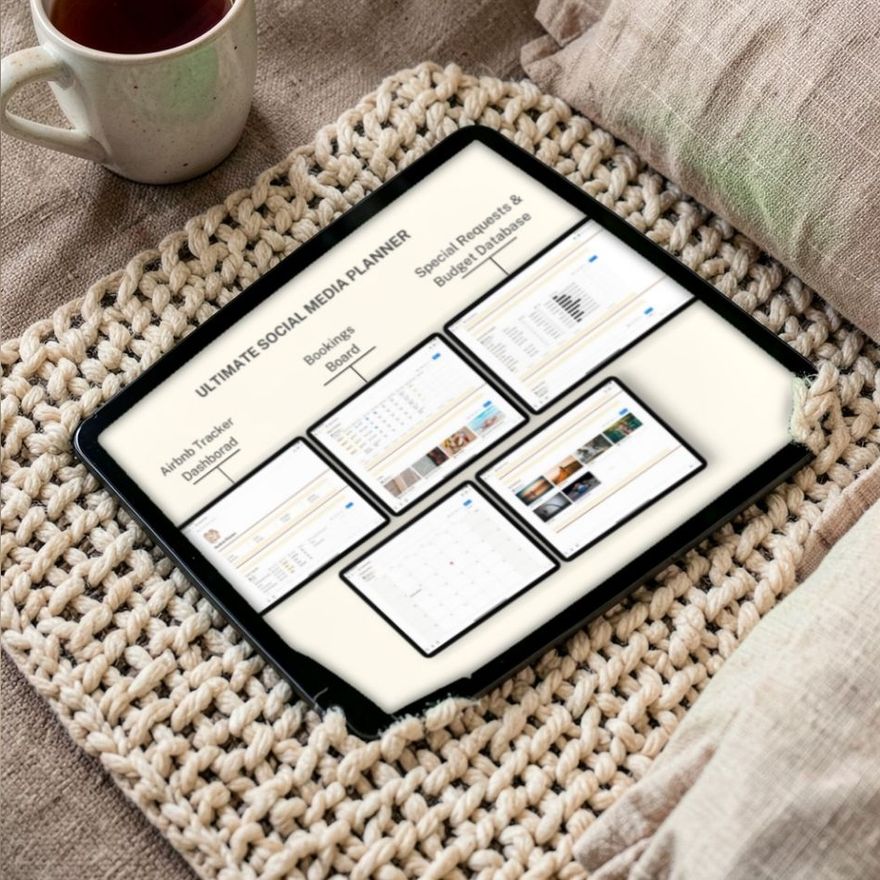
Notion for Students: A Simple Setup That Stays Tidy
A minimal Notion setup for school: a dashboard, a classes database, assignments with due dates and a home for notes, plus how to duplicate a template.
Read the guide →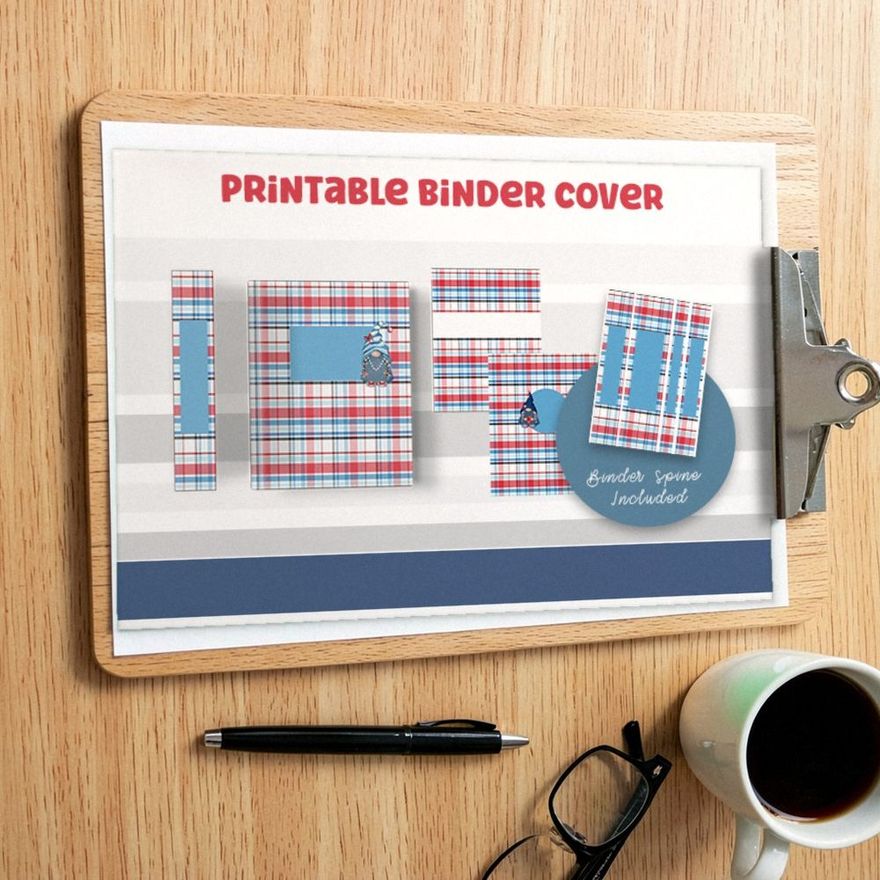
Back to School Organization: A Checklist for the First Week
Get organized in the first week of school: what supplies to buy, a binder and folder system, planner setup, digital folders, daily routines and a checklist.
Read the guide →
How to Use a Study Planner: Daily, Weekly and Term Views
What belongs in the term, weekly and daily pages of a study planner, how to split assignments into steps, color code subjects and run a Sunday planning session.
Read the guide →
How to Use a Digital Planner on an iPad
How a PDF digital planner works on an iPad: importing it into a note-taking app, using the linked tabs, adding stickers, duplicating pages and backing up.
Read the guide →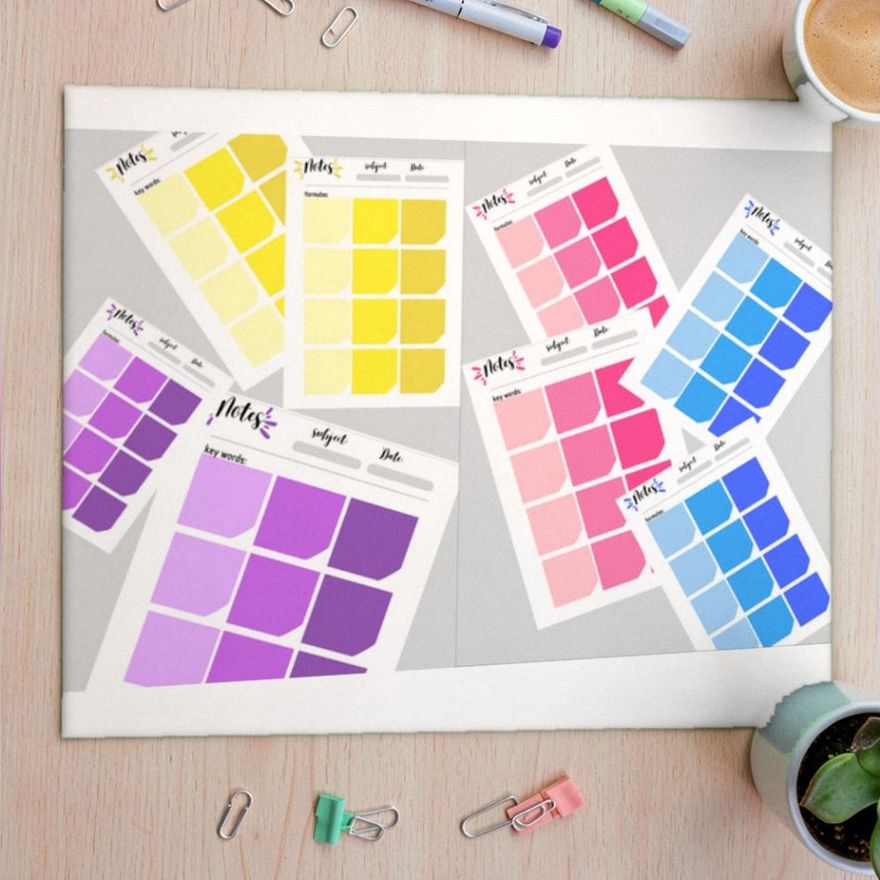
How to Make Flashcards That Actually Help You Remember
Make flashcards that work: one fact per card, a question on the front, your own words, the Leitner box schedule, and when to use something else instead.
Read the guide →
School Timetable Ideas: Layouts That Are Easy to Read
How to lay out a school timetable you can read at a glance: the day-and-period grid, color by subject, rooms and teachers, a binder cover print and a phone version.
Read the guide →