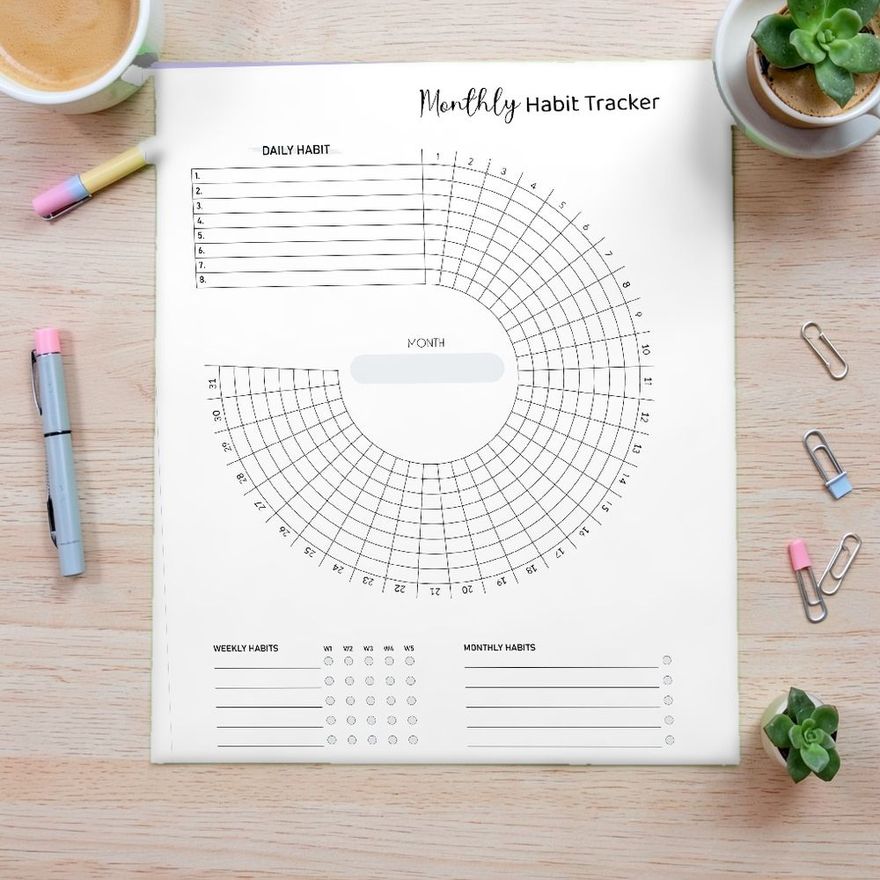

The study methods with the best support are easy to describe: test yourself instead of rereading, spread the work over several days, mix up what you practice, protect your focus, and sleep. None of them needs special equipment. What they share is that they feel harder than the usual habits while you are doing them, and that difficulty is where the learning comes from.
Why Rereading and Highlighting Feel Better Than They Work
Rereading a chapter is comfortable. The second time through, the words look familiar and the page reads smoothly, and it is natural to take that smoothness as a sign that you know the material.
Familiarity and recall are different things, though. Recognizing a sentence when it is in front of you is much easier than producing the idea on a blank exam page. Rereading builds the first and does far less for the second.
Highlighting has the same weakness. It keeps your hand busy and marks what seemed important, but choosing a line to color takes very little thinking.
The best-known comparison of study methods is a 2013 review by John Dunlosky and four colleagues in Psychological Science in the Public Interest. It examined ten common techniques and rated each as high, moderate or low in usefulness. Rereading and highlighting both landed in the low group, although students report relying heavily on both. Rereading is not harmful, only slow. For highlighting the review adds a caution: in most situations it does little to boost performance, and in one study students who underlined did worse on questions that required connecting ideas across the text.
Active Recall: Close the Book and Pull It Out
Active recall, also called retrieval practice or practice testing, means trying to bring information out of memory without looking at it. It is one of only two techniques the Dunlosky review rated high.
A 2006 experiment by Henry Roediger and Jeffrey Karpicke shows the pattern. Students read a short passage, then either read it again or wrote down everything they could remember. On a test five minutes later the rereaders did slightly better. A week later the order had reversed: the group that had practiced recalling remembered 56 percent of the passage and the rereaders 42 percent. Extra rereading also left students more confident than extra testing did, which is exactly why it is hard to give up.
Ways to do it:
- Blank page. After reading a section, close the book and write everything you remember. Then open it and check what you missed.
- Questions from your notes. Turn each heading into a question and answer it without looking.
- Practice problems first. Attempt the problem before reading the worked solution.
- Flashcards. They are recall in its most compact form; see how to make flashcards for cards that are worth reviewing.
Getting things wrong is part of the method. In laboratory experiments, trying to answer a question and failing, then seeing the answer, led to better learning than reading the question and answer together. A wrong attempt also shows you exactly where the gaps are.

Spacing: Several Short Sessions Beat One Long One
Three half-hour sessions on three different days typically lead to better long-term memory than one ninety-minute session, even though the total time is the same. Researchers call this distributed practice, and it is the other technique the Dunlosky review rated high.
The reason is close to the reason recall works. After a day or two you have forgotten a little, so coming back takes effort, and that effort is what strengthens the memory. Cramming is not useless: massed study can even help on a test taken right away. What it gives up is the weeks afterward, and the advantage of spacing is larger on delayed tests than on immediate ones.
How long should the gaps be? One large study, by Cepeda and colleagues in 2008, found recall was best when the gap between sessions was roughly 10 to 20 percent of the time the material had to be remembered. To remember something for a week, that means sessions 12 to 24 hours apart.
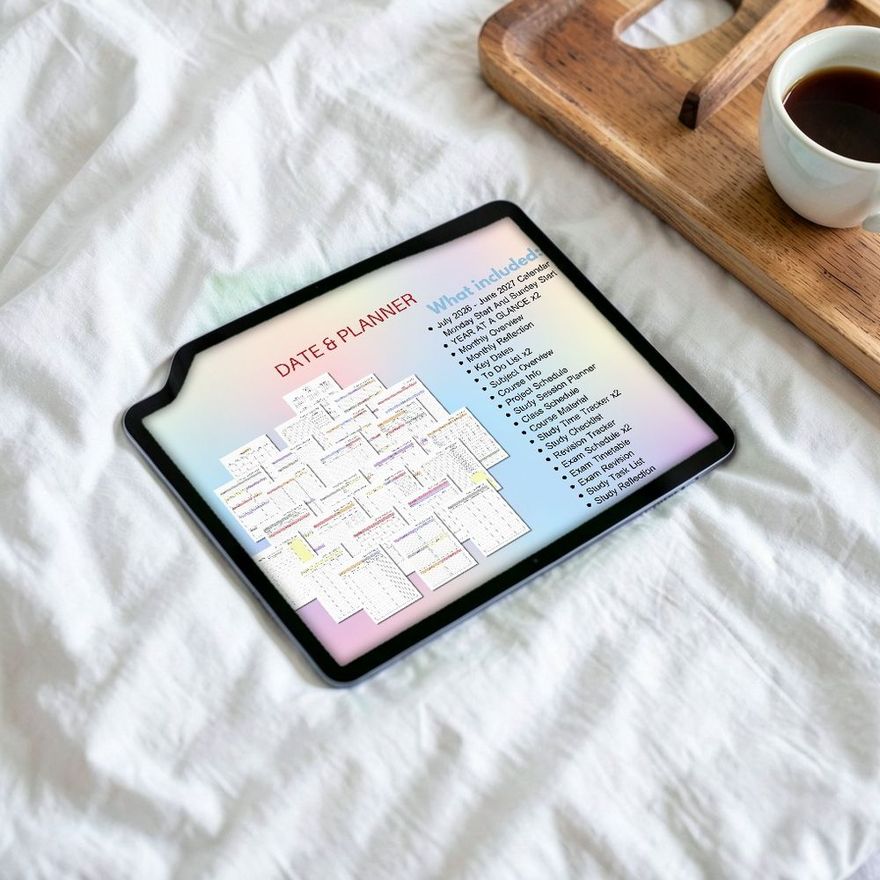
A workable pattern for new material: go over it the same day, again a day or two later, again after about a week, and once more before the test. The exact gaps matter less than having gaps at all. A weekly page makes it easy to see whether each subject shows up on more than one day.
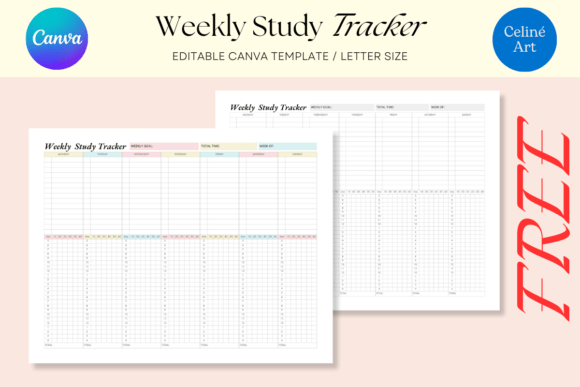
Editable Weekly Study Tracker Canva
See the listing ↗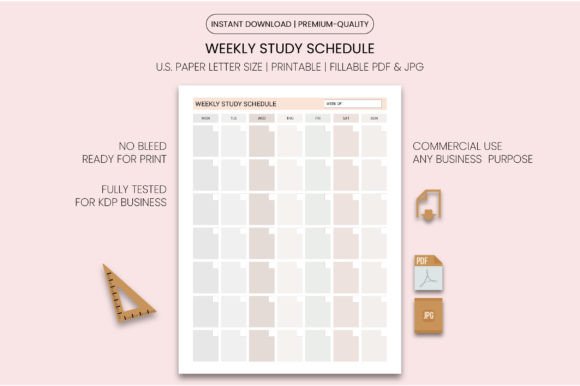
Weekly Study Schedule Template
See the listing ↗
Study Planner Printable
See the listing ↗From the collection Study Planner & Timetable. New Creative Fabrica members get 10 free downloads, and any of these can be one of them.
Interleaving: Mix the Problem Types
Most textbooks group practice by type: twenty problems on one method, then twenty on the next. Working that way, you always know which method to use before you read the question.
On a test, nobody tells you. Interleaving means mixing problem types within one session, so that every question starts with deciding what kind of problem it is.
The evidence is strongest in math. In a 2010 study by Taylor and Rohrer described in the Dunlosky review, fourth graders practiced four kinds of prism problems either one kind at a time or mixed together. During practice the one-kind-at-a-time group was more accurate. On a test the next day the mixed group scored 77 percent and the other group 38 percent. The review rates interleaving moderate, not high, because the body of research is still small and includes studies that found no benefit. Use it for math and for any subject where the hard part is choosing the right approach.
Expect it to feel worse. You will make more mistakes during practice than you would with grouped problems. That is normal, and it is not a sign that the session is going badly.
Focus Blocks: One Task, One Timer
Attention is easier to hold for a set, short period than for "the whole evening." The best-known version is the Pomodoro Technique, which Francesco Cirillo worked out as a university student in the late 1980s and named after his tomato-shaped kitchen timer (pomodoro is Italian for tomato). His intervals are 25 minutes of work on one task, a break of 3 to 5 minutes, and a longer break of 15 to 30 minutes after every four rounds.
In Cirillo's version a block cannot be split. If you are pulled away for good, that block does not count and you start a fresh one.
The numbers are a starting point. Some people do better with 40 or 50 minutes. What matters is the rules inside the block:
- Choose one task before the timer starts.
- Put the phone in another room, or at least out of reach and face down.
- If an unrelated thought comes up, write it on a scrap of paper and go back to the task.
- When the timer ends, take the break away from the desk.
Count finished blocks, not hours at the desk. Four focused blocks are worth more than an evening of half-attention, and the count gives you something honest to look back on.
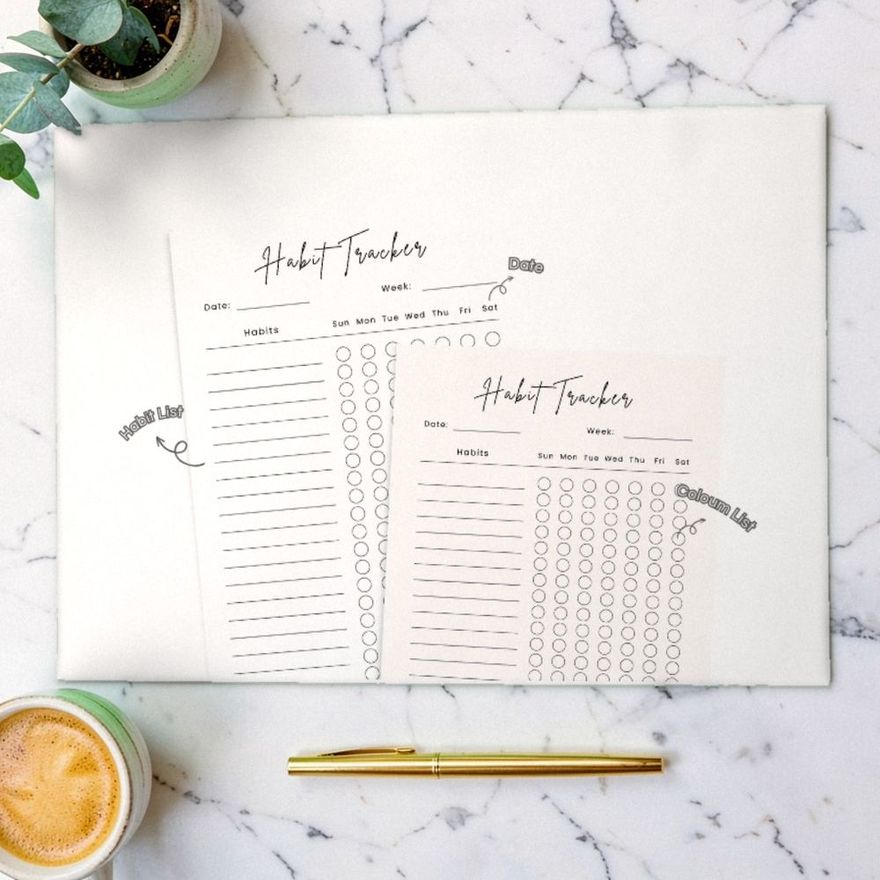
A simple tracker with one box per day is enough for that count.
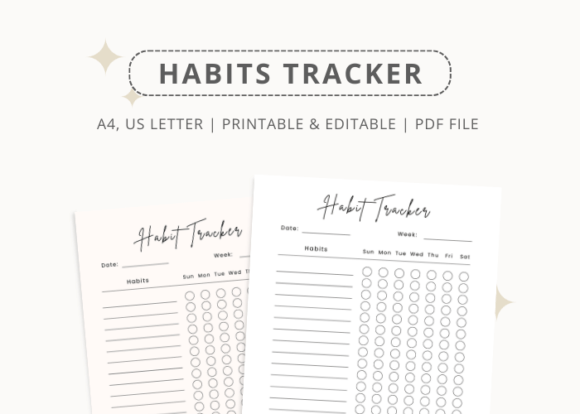
Daily Habit Tracker Printable
See the listing ↗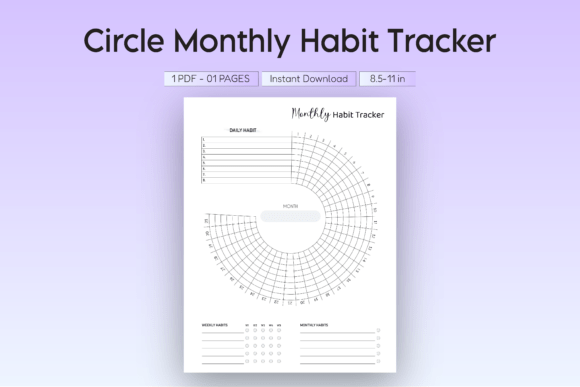
Circle Habit Tracker Printable
See the listing ↗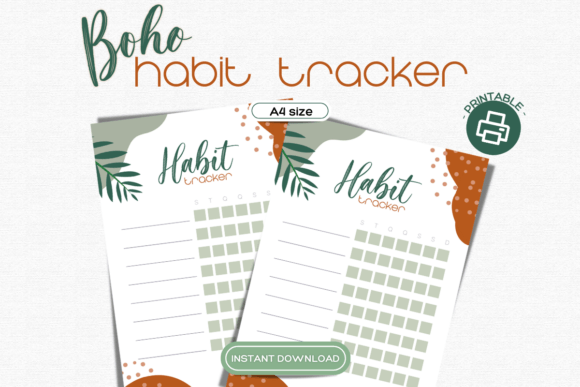
BOHO Weekly Habit Tracker Printable
See the listing ↗From the collection Habit & Study Tracker. New Creative Fabrica members get 10 free downloads, and any of these can be one of them.
Teach It Back
Explaining a topic out loud, in simple words, as if to someone who has never met it, is recall with an extra check built in. It is often called the Feynman technique, a name given in honor of the physicist Richard Feynman. A close relative, self-explanation (explaining how new information relates to what you already know, or explaining the steps you take while solving a problem), earned a moderate rating in the Dunlosky review.
Pick a concept and explain it without notes: to a friend, a younger sibling or an empty room. The places where you slow down, reach for the textbook's exact wording or say "it just does" are the places you do not understand yet. Go back to the source for those parts only, then explain again.
Study groups work best when they are run this way. Take turns teaching one topic each instead of reading notes side by side.

Sleep Is Part of Studying
Sleep helps with learning and with forming long-term memories, according to the National Heart, Lung, and Blood Institute, and too little of it can lead to trouble focusing and thinking clearly. Cutting sleep to study longer trades away part of what makes the studying stick.
The targets are specific. The American Academy of Sleep Medicine recommends 8 to 10 hours per 24 hours for teenagers aged 13 to 18, and the CDC lists 7 or more hours a night for adults aged 18 to 60.
In practice, a review session in the evening followed by a full night's sleep is a better use of the last day than studying until 3 a.m. If you are short on time, cut the low-value activities above before you cut sleep.
Plain Tools for Recall and Timed Blocks
None of these techniques needs equipment, but three plain items make them easier to start: cards to quiz yourself with, a board for writing answers from memory, and a timer that is not your phone.
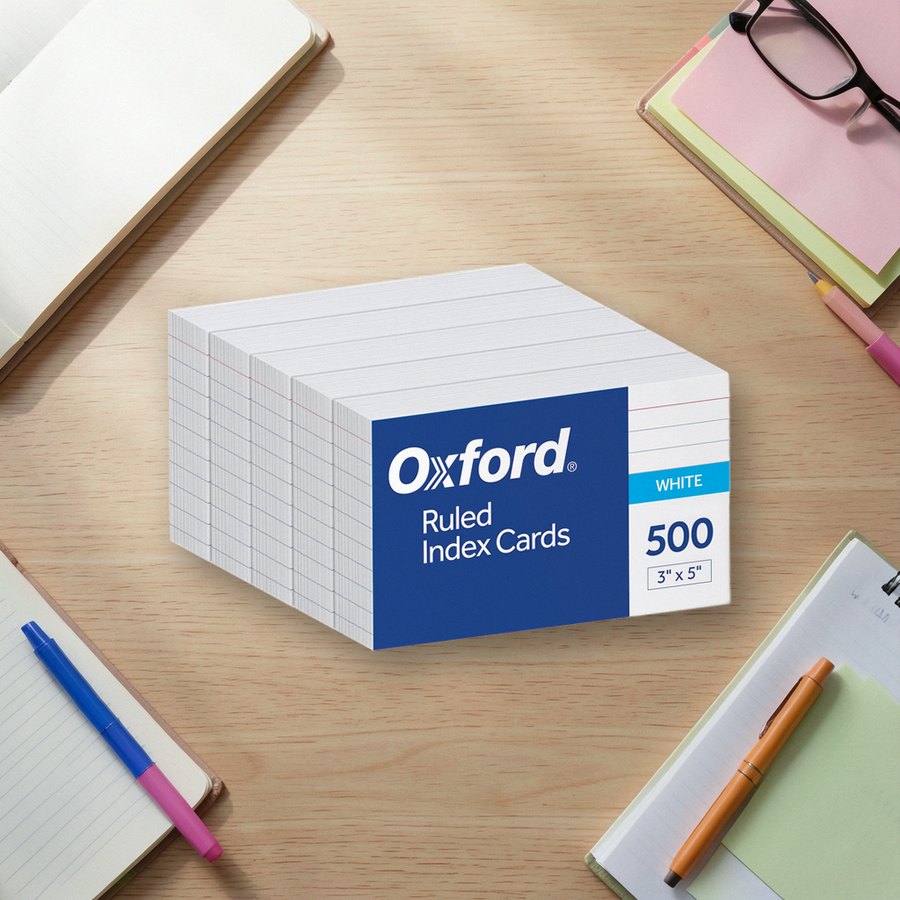 Ruled index cards, 3 x 5 inchOxfordSee it on Amazon
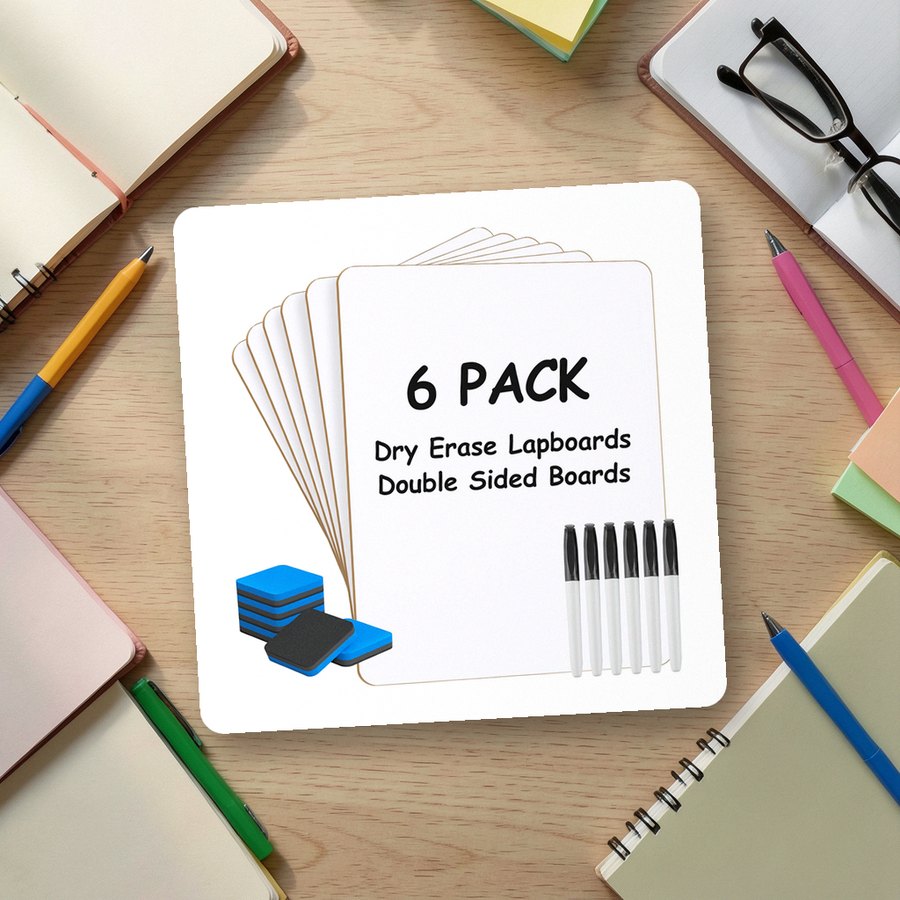 Small double-sided dry-erase boardsMaxGearSee it on Amazon
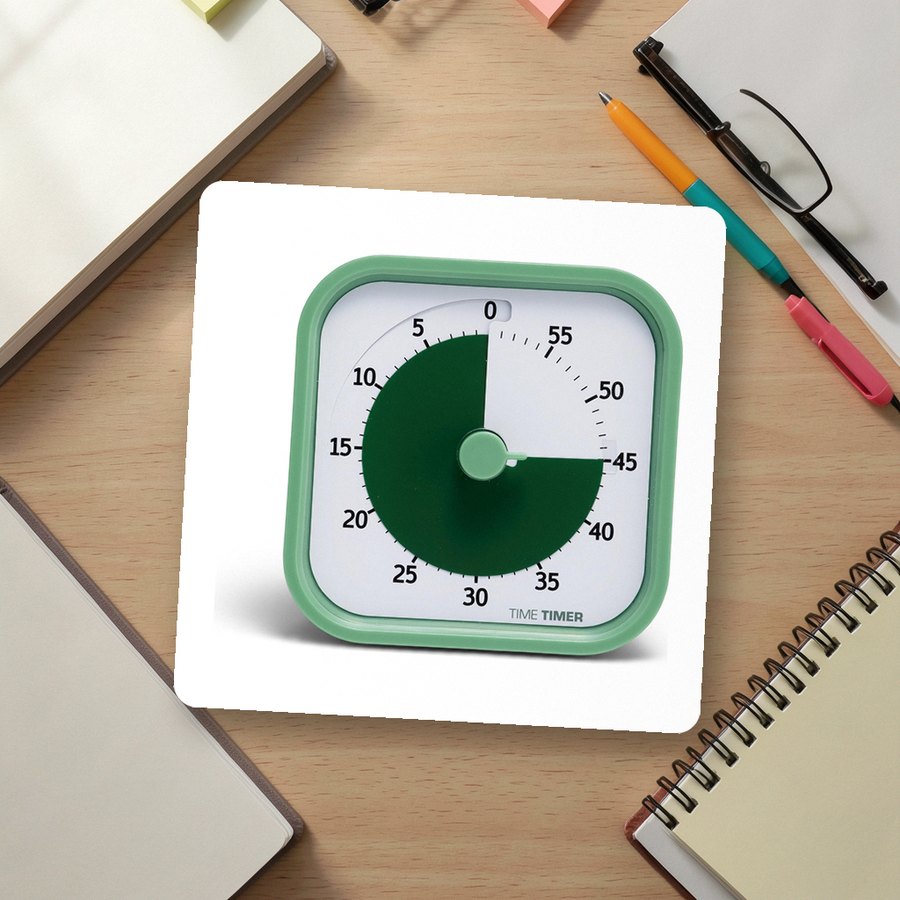 60-minute visual timerTIME TIMERSee it on Amazon
As an Amazon Associate we earn from qualifying purchases.
Swap One Habit This Week
You do not need to rebuild everything at once. Pick one row and try it for a week.
| Instead of | Try |
|---|---|
| Rereading the chapter | Closing the book and writing what you remember |
| Highlighting as you read | Writing one question per section in the margin |
| One long session before the test | Three short sessions on different days |
| Twenty problems of the same type | A mixed set from several chapters |
| Studying "until it's done" | Timed blocks with a named task |
| Reading notes together in a group | Taking turns teaching a topic |
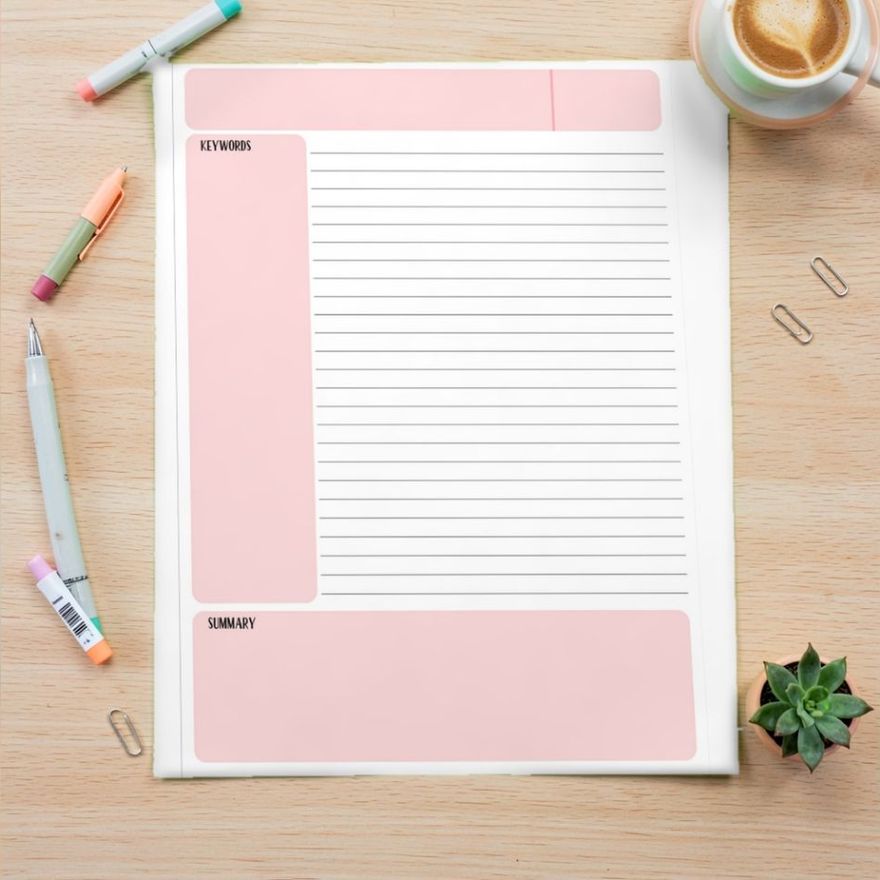
These methods need notes that can be turned into questions, so it is worth looking at note-taking methods that build the questions in. To give each subject its spaced sessions, set them up in a study schedule, and when a test date is set, fold them into an exam revision plan. Start with the blank-page exercise tonight: one section, book closed, five minutes.
Templates for This Topic
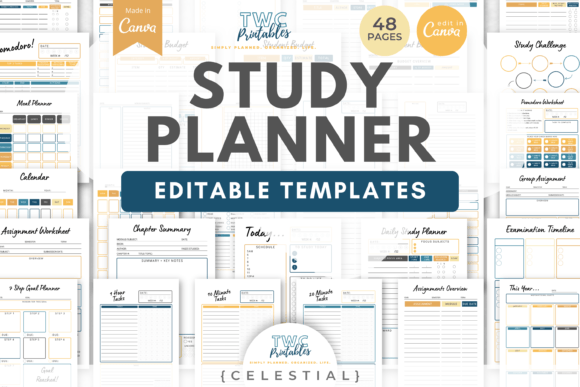 Study Planner & Timetable15 hand-picked · open the collection →
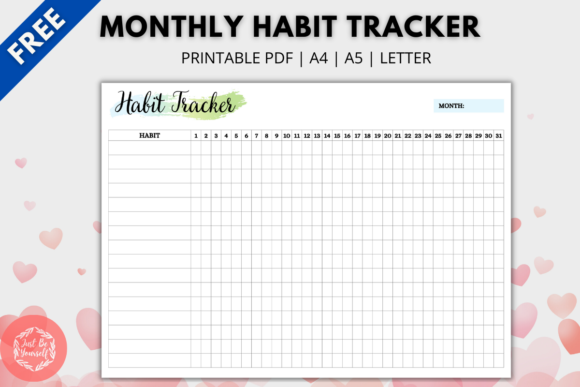 Habit & Study Tracker15 hand-picked · open the collection →