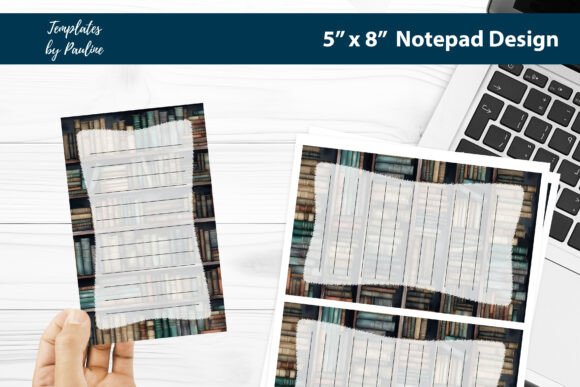
A flashcard helps when it asks one clear question that you answer from memory before turning it over. That is the whole mechanism: the card makes you retrieve a fact, and retrieving is what strengthens memory. Self-testing with flashcards is one of the forms of practice testing that a 2013 review of study techniques by John Dunlosky and colleagues rated high in usefulness. Cards fail when they hold too much, when the front is a vague prompt, or when you flip them without committing to an answer. The rules below fix those three problems, and the Leitner box system tells you which cards to review on which day.
One Fact Per Card
The most common mistake is the crowded card: a term on the front and a paragraph on the back. You read the paragraph, recognize most of it, and count the card as known. You have not been tested on any single part.
Split it. Each card should have one answer that is either right or wrong.
- Too much: "Photosynthesis" on the front; the definition, equation, location and stages on the back.
- Better: four cards. "Where in the cell does photosynthesis happen?" "What are the two inputs besides light?" "What are the two products?" "What are the two main stages called?"
More cards sounds like more work, but small cards are fast. You can go through thirty single-fact cards in the time it takes to struggle with five overloaded ones, and you know exactly which facts you missed.
Write the Front as a Question
A bare word on the front, such as "mitosis," leaves you unsure what is being asked, so any half-remembered answer feels close enough. A question removes the wiggle room.
Compare "Treaty of Versailles" with "In what year was the Treaty of Versailles signed?" (1919) and "Which country had to accept responsibility for the war's losses under Article 231 of the treaty?" (Germany). The second and third can be checked. The first cannot.
For vocabulary and anything else that runs both ways, make two cards: term to meaning, and meaning to term. Recognizing a word in a foreign language and producing it yourself are separate skills, and each needs its own practice.
Use Your Own Words and Add Pictures
Copying a definition from the textbook onto a card is transcription. Rewriting it in your own words forces you to understand it first, and that understanding is half the learning. If you cannot rephrase something, that is a sign to go back to the source before making the card.
Keep answers short: a word, a number, a phrase, one sentence at most.
Add a simple drawing wherever the content has a shape: a labeled cell, a graph, a map outline, a molecule. For material that is visual to begin with, a picture can be the quickest way to ask the question. The drawing does not need to be good. For anatomy, geography and diagrams in general, put the unlabeled picture on the front and ask "What is structure A?"
Make the cards yourself whenever time allows. Borrowed or downloaded decks skip the step where you decide what matters and how to phrase it.
Review by Answering First, Then Flipping
How you go through the deck matters as much as what is on the cards.
- Shuffle. If the cards are always in the same order, you start to remember the sequence instead of the answers.
- Answer before you flip. Say it aloud or write it down. A silent "I know this one" is too easy to fool yourself with.
- Judge honestly. Right means right without hesitation. Almost right goes in the wrong pile.
- Keep sessions short. Ten to fifteen minutes, more often, beats an hour once a week.
Sorting cards into "knew it" and "missed it" piles as you go leads straight into the system below.
The Leitner Box System
The Leitner system was proposed by the German science journalist Sebastian Leitner in his 1972 book So lernt man lernen ("How to learn to learn"). It answers the question of what to review today, so that hard cards come up often and easy ones come up rarely.
You need a few boxes, envelopes or rubber-banded stacks, numbered from 1. Every new card starts in box 1. The rule has two parts:
- Answer correctly, and the card moves up one box.
- Answer wrong, and the card goes back to box 1, whichever box it was in.
Each box is reviewed less often than the one before it. A common three-box version looks like this:
| Box | Review | What is in it |
|---|---|---|
| 1 | Every day | New cards and cards you missed |
| 2 | Every 3 days | Cards you got right once |
| 3 | Every 5 days | Cards you got right twice in a row |
Some versions use every second and every fourth day for boxes 2 and 3 instead. For a course that runs all semester, add a fourth and fifth box, each with a longer gap than the one before.
Leitner's own learning box had no calendar at all. It had five compartments, 1, 2, 5, 8 and 14 cm wide, and the size of each compartment governed how often its cards came back. Day-based schedules like the one above are a simplification of that idea, so treat the numbers as a guide and shorten them if your exam is close.
The principle is that the gap grows each time you get a card right. This is spaced practice applied one card at a time, the same idea covered in study tips that work.
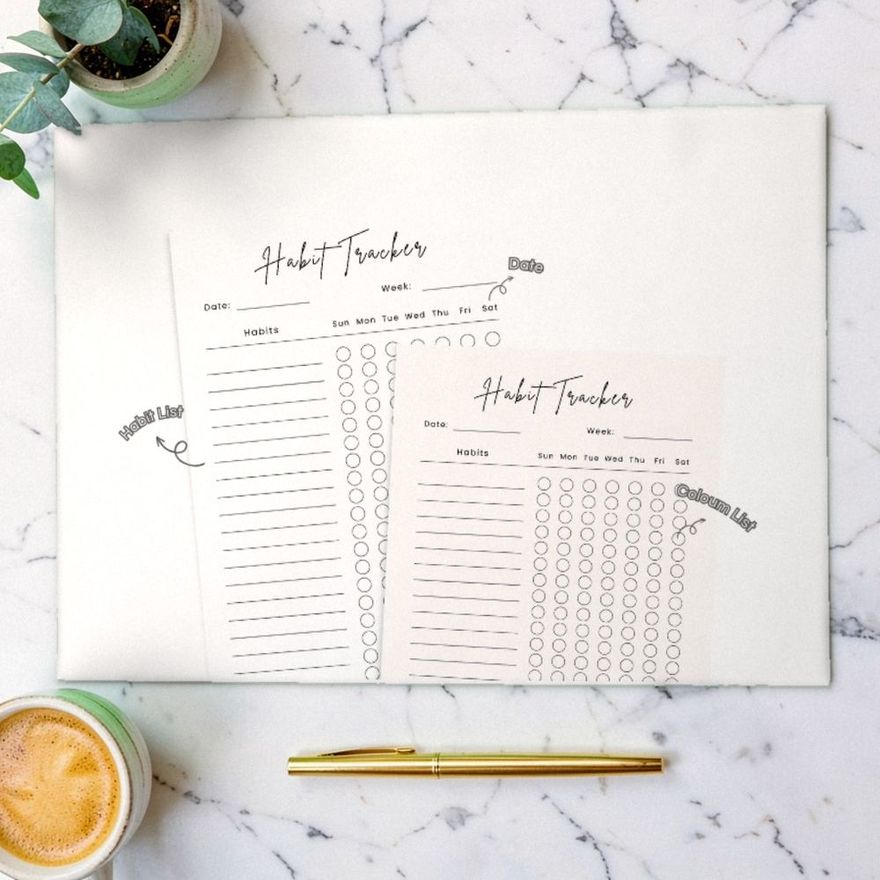
The system depends on a short review happening every day, so that box 1 does not pile up. A daily tracker with a box to tick is a simple way to keep the streak visible. This site has no flashcard templates as such, so these are the closest useful match.
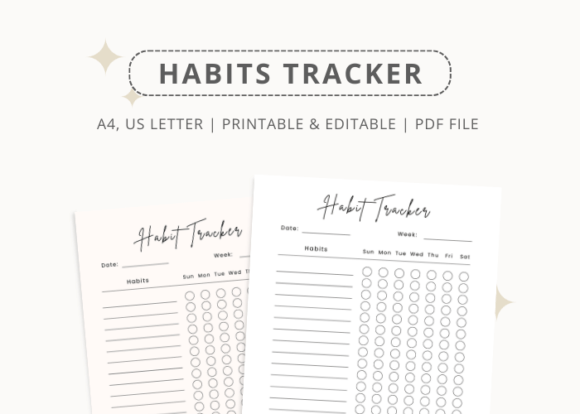
Daily Habit Tracker Printable
See the listing ↗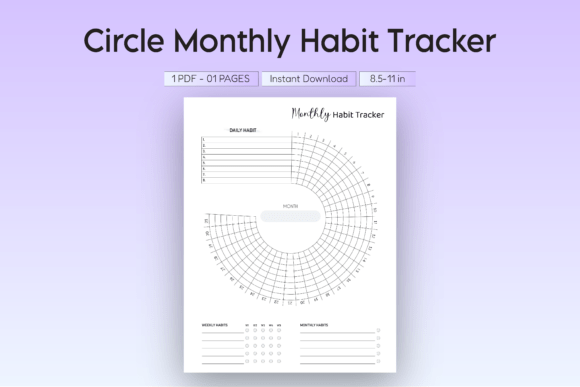
Circle Habit Tracker Printable
See the listing ↗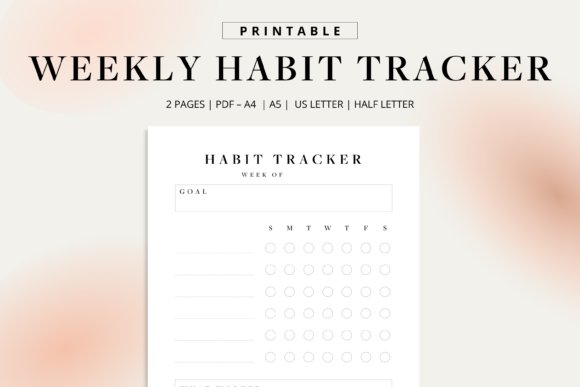
Daily Weekly Habit Tracker Printable
See the listing ↗From the collection Habit & Study Tracker. New Creative Fabrica members get 10 free downloads, and any of these can be one of them.
Paper Cards or an App
Both work. They suit different situations.
Paper cards. The standard index card is 3 × 5 inches (76 × 127 mm). The next sizes up, 4 × 6 and 5 × 8 inches, leave room for diagrams, and a 3 × 5 card cut in half is plenty for vocabulary. The ISO size for index cards is A7, 74 × 105 mm. Writing by hand is slower, which gives you time to think about wording, and drawing is effortless. The limits are bulk and the fact that you have to run the box schedule yourself.
Flashcard apps. Spaced-repetition apps do the scheduling for you: you rate how well you knew each card, and the app decides when to show it again. In Anki, for example, the four answer buttons are Again, Hard, Good and Easy, and each one shows when the card will return if you press it. Your deck is always on your phone, which turns a bus ride into a review session. The risks are the phone's other distractions and the temptation to tap through cards without really answering.
A reasonable split is paper for a subject with many diagrams or a modest number of cards, and an app for large volumes such as language vocabulary or terminology in a content-heavy course.
When Flashcards Are the Wrong Tool
Flashcards are for discrete facts: terms, dates, formulas, vocabulary, names of structures. They are a poor fit for several kinds of learning.
- Solving problems. Knowing a formula is different from knowing when and how to use it. Math and physics need worked problems.
- Understanding how ideas connect. Causes of a war, themes in a novel, how body systems interact. Use a mind map or write an explanation from memory.
- Writing. Essay skills come from planning and writing essays.
- Multi-step procedures. A card can hold the name of each step, but carrying out the procedure needs practice doing it.
A quick test: if the answer needs the word "because" and more than one sentence, it probably belongs in your notes or in a practice question, not on a card.
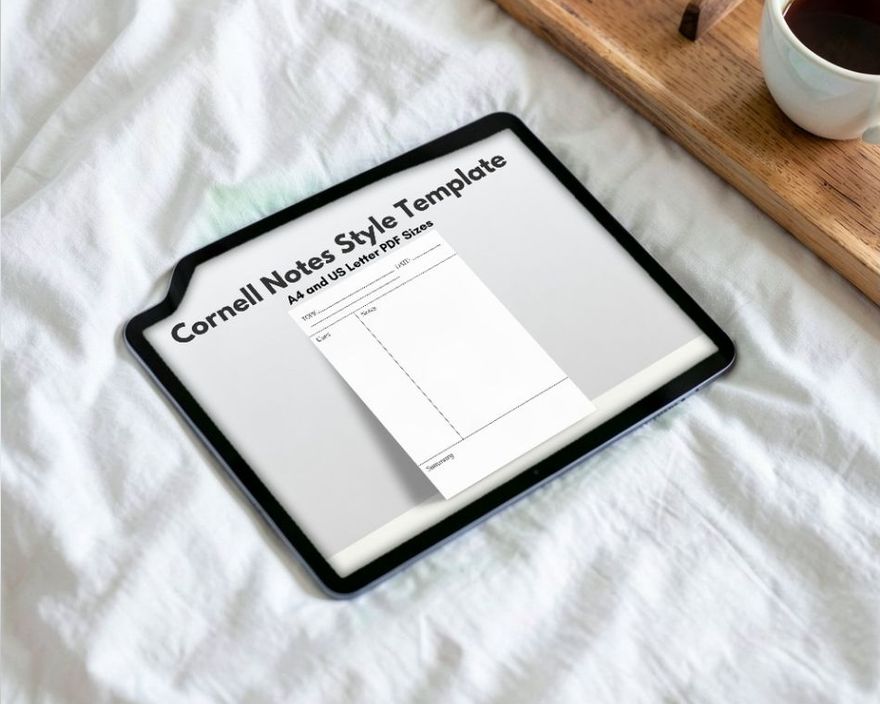
Different note-taking methods handle that connected material better, and the Cornell layout in particular gives you a ready-made self-test for it.
Cards and a Box for a Paper Deck
A paper deck and a Leitner setup need only cards and a way to keep the numbered stacks apart.
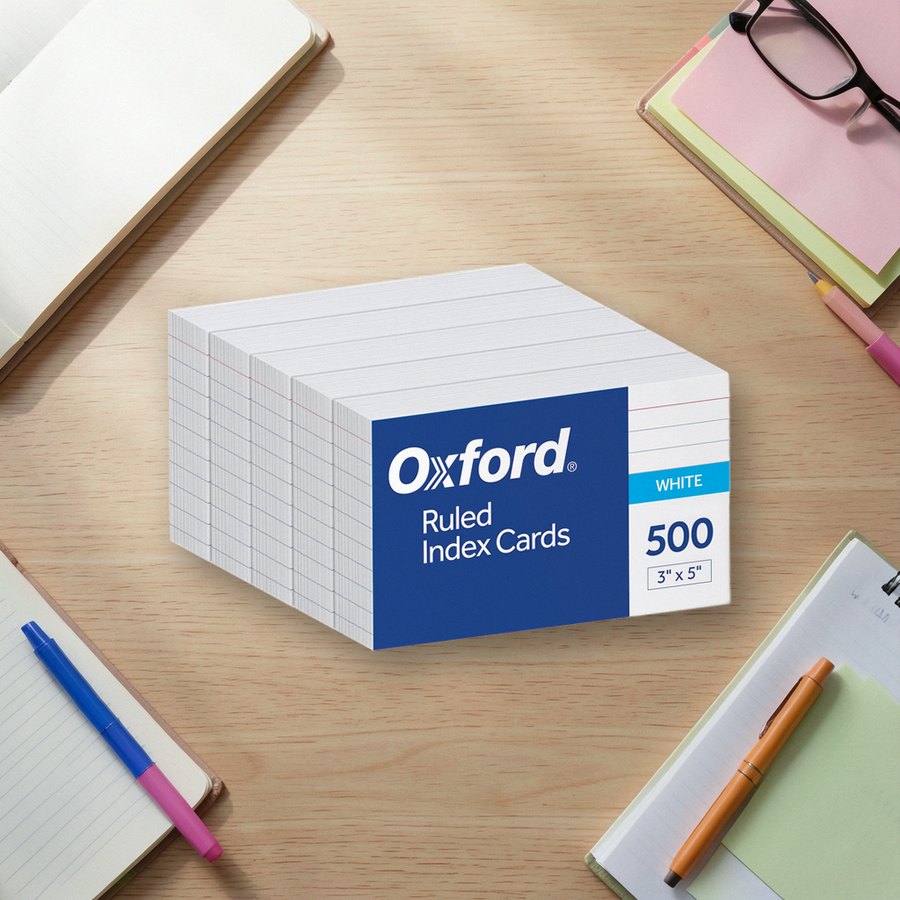 Ruled index cards, 3 x 5 inchOxfordSee it on Amazon
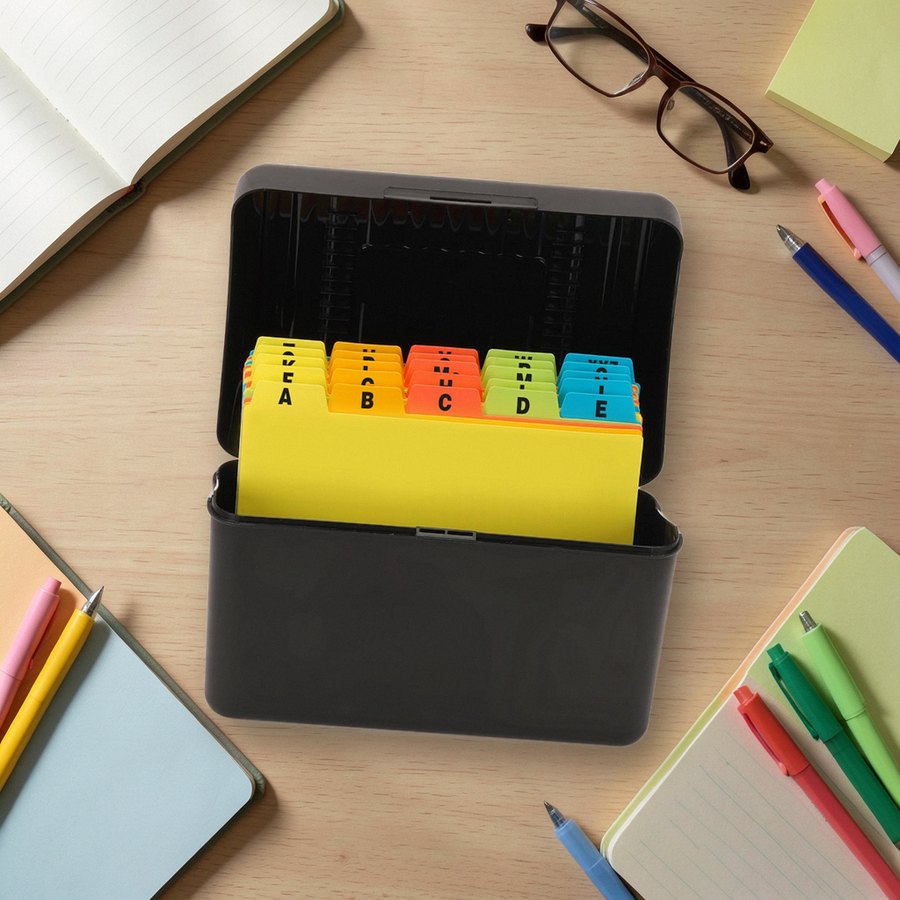 Index card box with dividersH4DSee it on Amazon
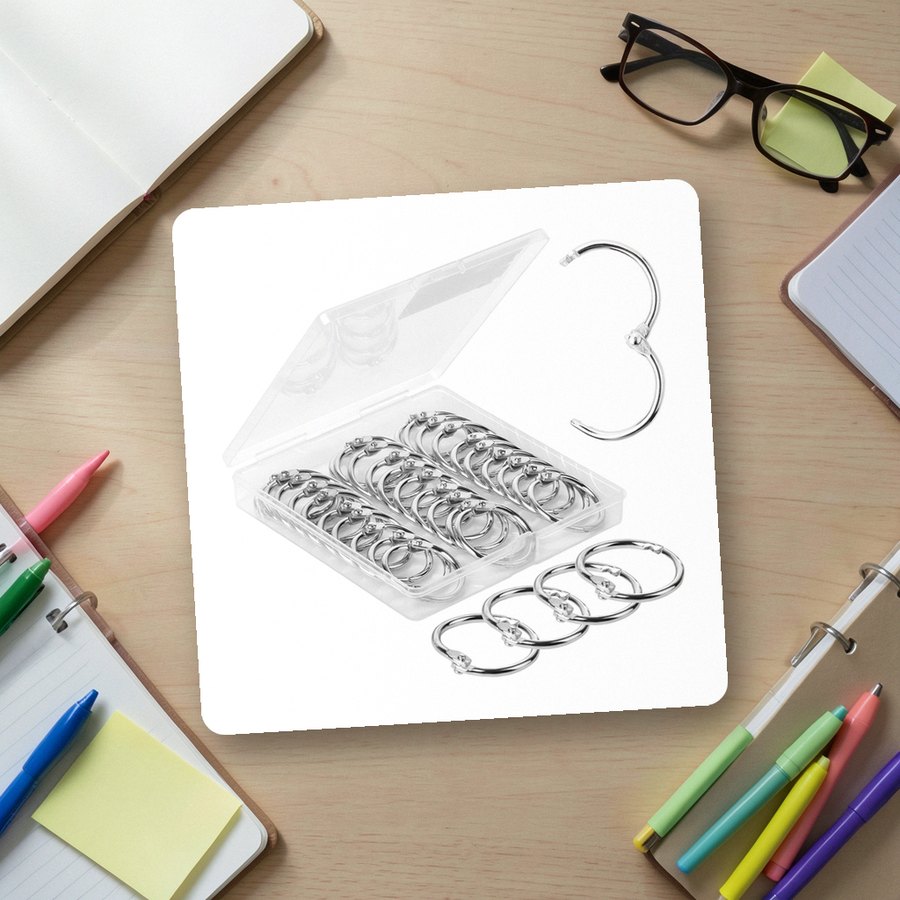 Loose-leaf binder rings, 1 inchMr. PenSee it on Amazon
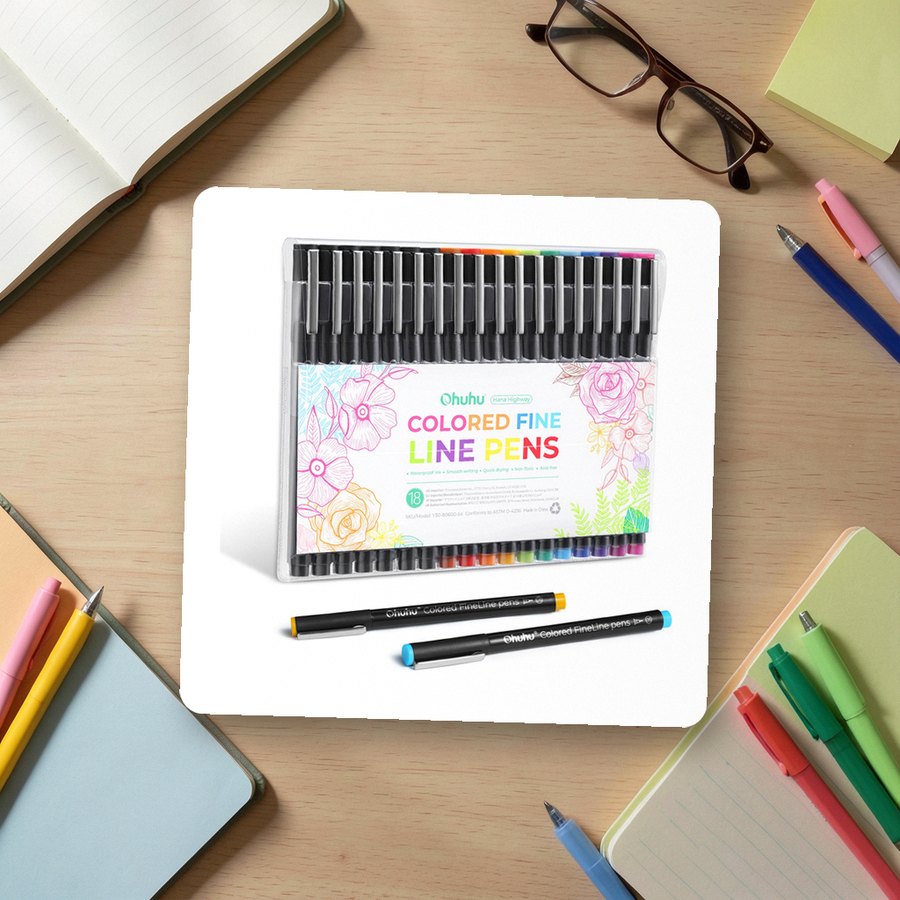 Colored fineliner pensOhuhuSee it on Amazon
As an Amazon Associate we earn from qualifying purchases.
Punch a corner and a ring holds a small deck you can carry around; a box with dividers suits the numbered stacks at home.
Make Your First Twenty
Take the notes from one recent class. Pick out twenty single facts, write each as a question in your own words, and put the cards in box 1. Review them tomorrow, move the ones you get right, and add ten more.
Start early enough that cards have time to climb the boxes. A deck begun three weeks before a test does far more than one made the night before. When you map out those weeks in an exam revision plan, give the daily card review its own short slot.
Templates for This Topic
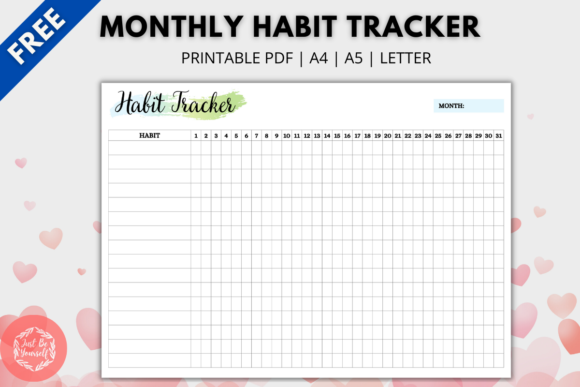 Habit & Study Tracker15 hand-picked · open the collection →
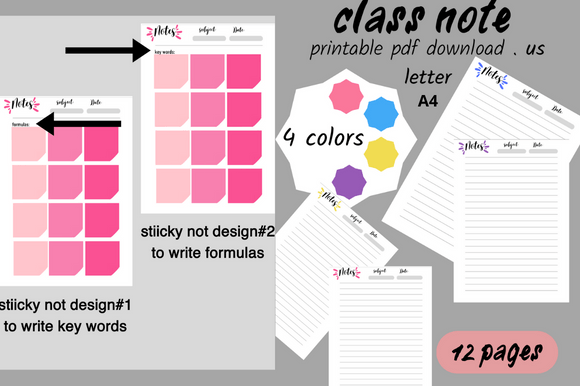 Study Notes & Digital Notes15 hand-picked · open the collection →