
Getting organized for school comes down to four decisions made in the first week: where paper goes, where deadlines go, where files go, and what you do at the same time every day. Make those decisions once, write them down, and the rest of the term runs on habit. This guide takes them in order and ends with a checklist you can work through in a few evenings.
Supplies: Wait for the Syllabus
Buy the basics before the first day and the rest after it. Teachers often ask for something specific, such as a certain binder size, a graphing calculator model or a composition notebook, and you will not know until you have the supply list or syllabus in hand.
The basics that almost everyone needs:
- pens in two colors and a few pencils
- a highlighter or two
- loose-leaf paper or notebooks
- a binder or folders (see the next section)
- a planner, paper or digital
- a pencil pouch that fits in the bag
Hold off on the rest for a few days. Extra notebooks and specialty supplies bought in August tend to sit unused, while the one thing the chemistry teacher required still has to be bought in week two.
Choose One Paper System
Loose paper is what makes a backpack chaotic. Choose one system for all of it and stick to that system in every class.
| System | How it works | Good for |
|---|---|---|
| One binder per subject | A slim half-inch or 1-inch binder for each class, with dividers for notes, handouts and returned work | Classes with many handouts; lockers with room |
| One large binder | A single 2- or 3-inch binder with a divider tab per class | Carrying everything between classes without a locker stop |
| Folder and notebook pairs | A pocket folder and a notebook in the same color for each class | Lighter loads; classes that are mostly notes |
| Accordion file | One expanding file with a labeled pocket per class | People who will not punch holes |
Whichever you choose, add one more item: a single homework folder that travels to every class. One pocket is "to do," the other is "to hand in." Finished work goes in the second pocket the moment it is done, which ends the problem of completed homework left on a desk at home.
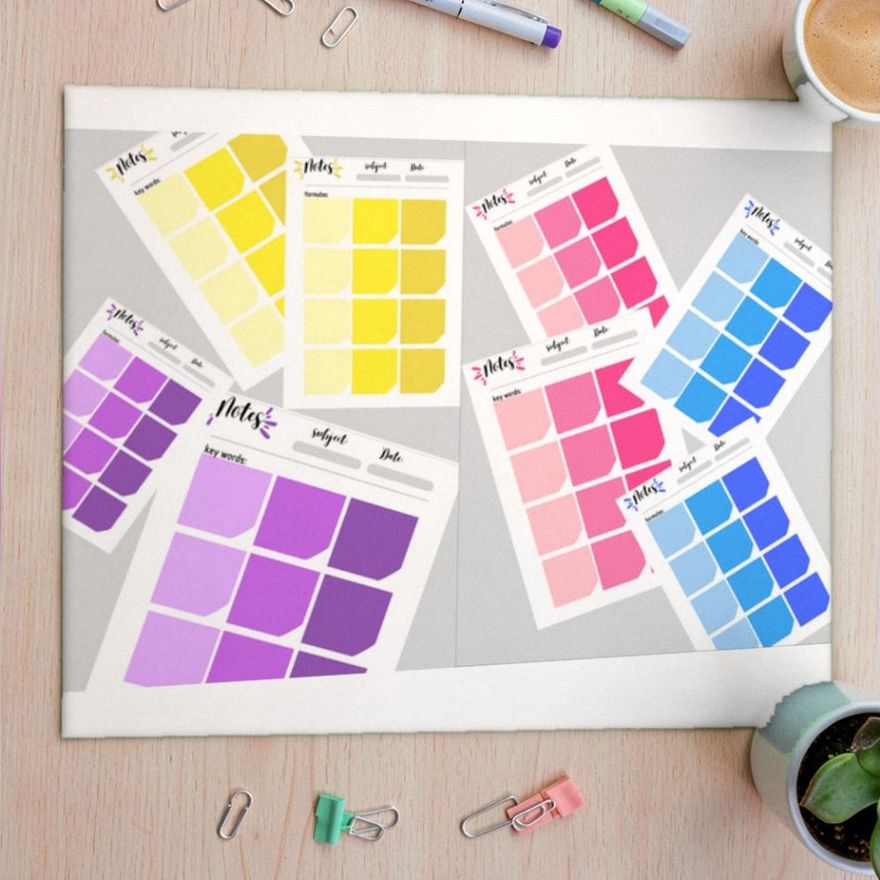
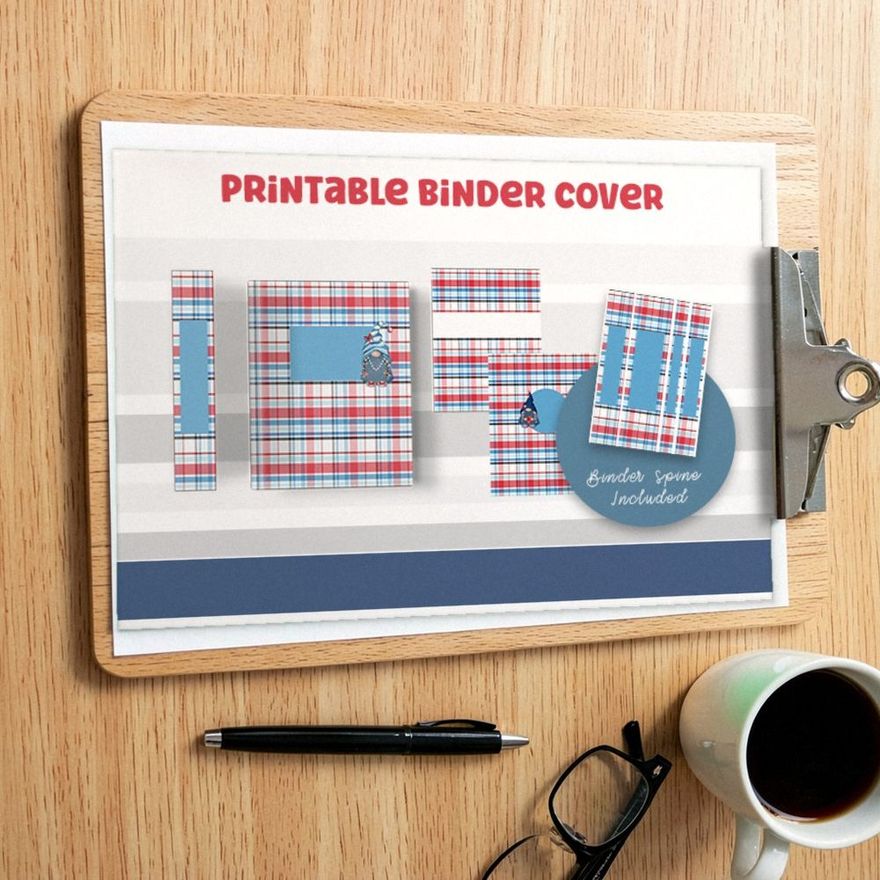
Label everything on the spine and the front. A cover page with the subject name, printed on the same size of paper the binder holds, makes the right binder easy to grab from a locker in the short break between classes. These are editable or ready to print.

Editable Binder Cover Printable
See the listing ↗
Assorted Binder Cover & Spines
See the listing ↗
Blue Plaid Editable Binder Cover
See the listing ↗From the collection Binder Covers & Cover Pages. New Creative Fabrica members get 10 free downloads, and any of these can be one of them.
Binder and Paper Sizes
A binder's size is the diameter of its rings, not the width of its spine. Common ring sizes in North America are 0.5, 1, 1.5 and 2 inches, and heavy-duty binders reach 3 inches. If a supply list says "1-inch binder," that is the number it means.
| Standard | Paper | Holes |
|---|---|---|
| US three-ring | Letter, 8½ × 11 in (216 × 279 mm) | Three, 4¼ in (108 mm) apart |
| US half-size | Half letter, 5½ × 8½ in (140 × 216 mm) | Three, 2¾ in apart |
| International two-hole (ISO 838) | A4, 210 × 297 mm | Two, 80 mm apart |
| International four-hole | A4, 210 × 297 mm | Four, 80 mm apart |
Letter and A4 are close but not interchangeable: A4 is 6 mm narrower and 18 mm taller, and the holes do not line up. Buy paper, dividers and page protectors to match the binder.

Set Up Your Planner Before the First Assignment
A planner works only if every deadline goes into it, so set it up before there are deadlines to miss.
- Write in the school calendar: holidays, half days, the end of each grading period, exam weeks.
- Add your own fixed commitments: practice, lessons, work shifts.
- As each syllabus arrives, copy in every test date and due date it lists.
- Choose where the planner lives. It should be in the same bag pocket every day.
Paper or digital is a matter of taste. Paper is quicker to write in during class; a digital planner is harder to lose. What matters is having exactly one. The guide on how to use a study planner covers what goes in the daily, weekly and term pages.
These are student planners from our collection, including one made for the back-to-school season.
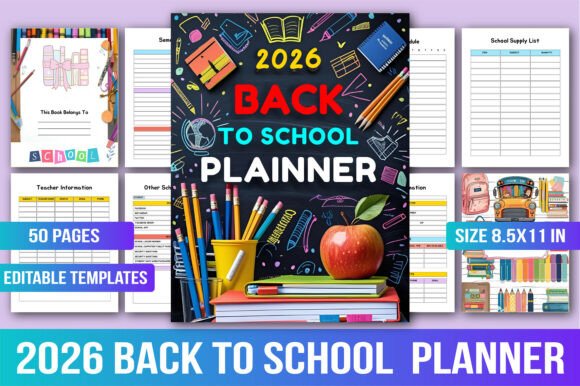
📘 2026 Back to School Planner
See the listing ↗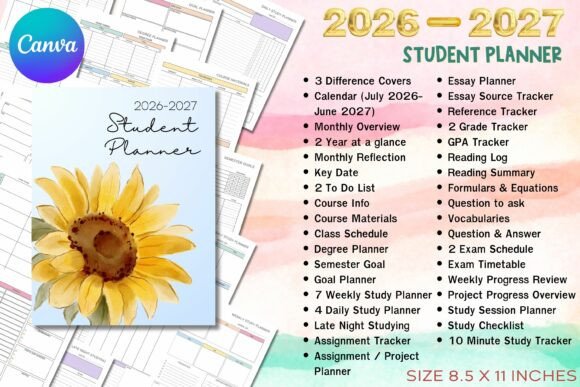
2026-2027 Student Planner
See the listing ↗
College Student Planner Canva Template
See the listing ↗From the collection Student & School Planner. New Creative Fabrica members get 10 free downloads, and any of these can be one of them.
Mirror the System on Your Computer
Digital files need the same treatment as paper. Set up the folders once, in whatever cloud storage your school provides, and use them from day one.
A structure that holds up:
- one folder for the school year
- inside it, one folder per class
- inside each class, folders for notes, assignments and handouts
Name files so they sort themselves and so you can tell them apart in a search: date first, then class, then what it is, for example 2026-10-02 History Essay 1 draft. Year-month-day is the order of the international date standard, ISO 8601, and it has a practical payoff: because the largest unit comes first, an alphabetical sort is also a sort by time.
Clear your downloads folder once a week and move anything school-related into its class folder. If you prefer to run classes and assignments from an app, our Notion setup for students shows a minimal version.
Two Routines That Do Most of the Work
Systems hold paper. Routines keep the systems running. Two are enough to start with.
A fixed homework start. Pick a time, or a trigger such as "right after the snack," and begin there every school day. Starting is the hard part, and a fixed start removes the daily debate with yourself. Open the planner first, choose the task that is due soonest or is hardest, and do that one before anything else.
Pack the bag the night before. Before bed, check tomorrow's classes against your timetable, put the homework folder and the right binders in the bag, charge the laptop or tablet, and leave the bag by the door. Mornings are a bad time to look for a calculator. A timetable you can read at a glance makes this faster, and school timetable ideas has layouts for one.
Add a five-minute reset on Fridays: empty the bag, file loose papers into the right binder, and recycle what you no longer need. A week of clutter is easy to clear. A month of it is not.

For Teachers: A First-Week Sheet
If you are on the other side of the desk, the first week is when you learn names and a little about each student. An "All About Me" sheet does that while giving the class a quiet task: interests, goals for the year, how they like to learn, anything they want you to know.
These three are aimed at older students or the start of the year.

All About Me High School Worksheet
See the listing ↗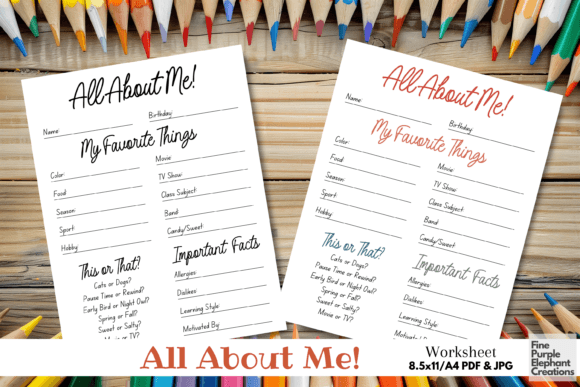
All About Me Middle High Worksheet Class
See the listing ↗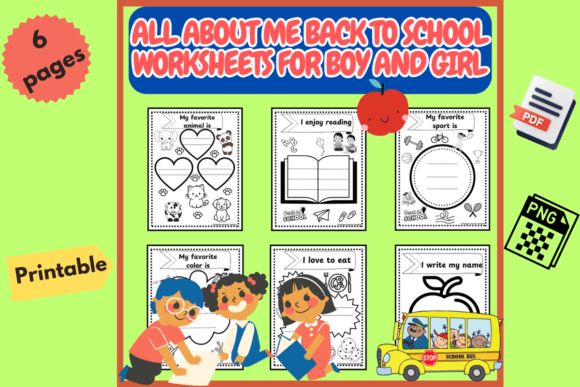
All About Me Back to School Worksheets
See the listing ↗From the collection All About Me Printables. New Creative Fabrica members get 10 free downloads, and any of these can be one of them.
Keeping the completed sheets in a binder gives you something to look back at before parent conferences or when a student seems to be struggling.
The Paper System, Piece by Piece
Whichever paper system you picked above, the pieces are standard and easy to match to a supply list.
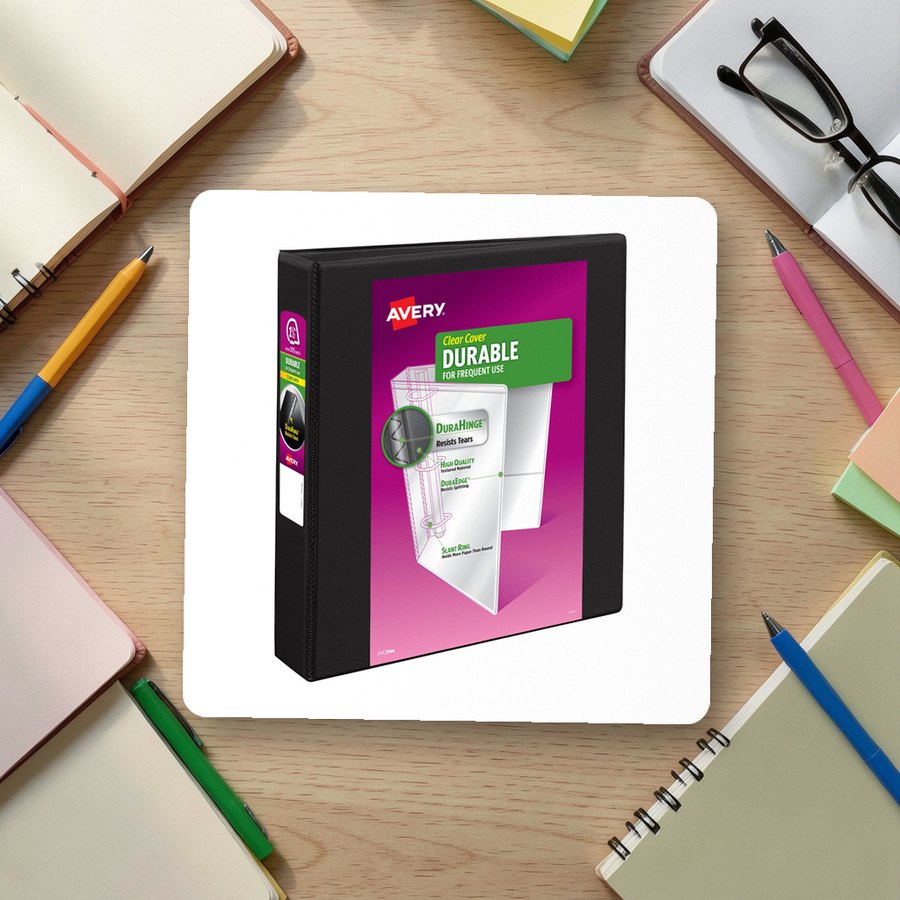 Clear-cover binder, 1.5 inch ringsAverySee it on Amazon
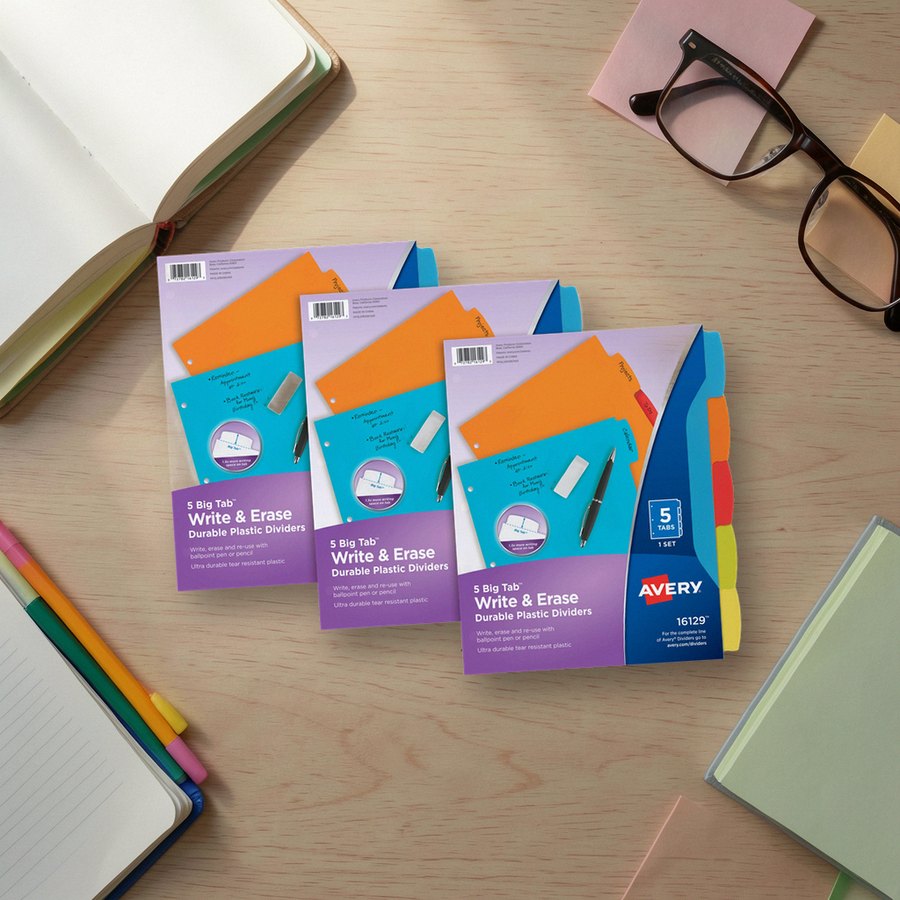 Write-and-erase plastic dividers, 5 tabsAverySee it on Amazon
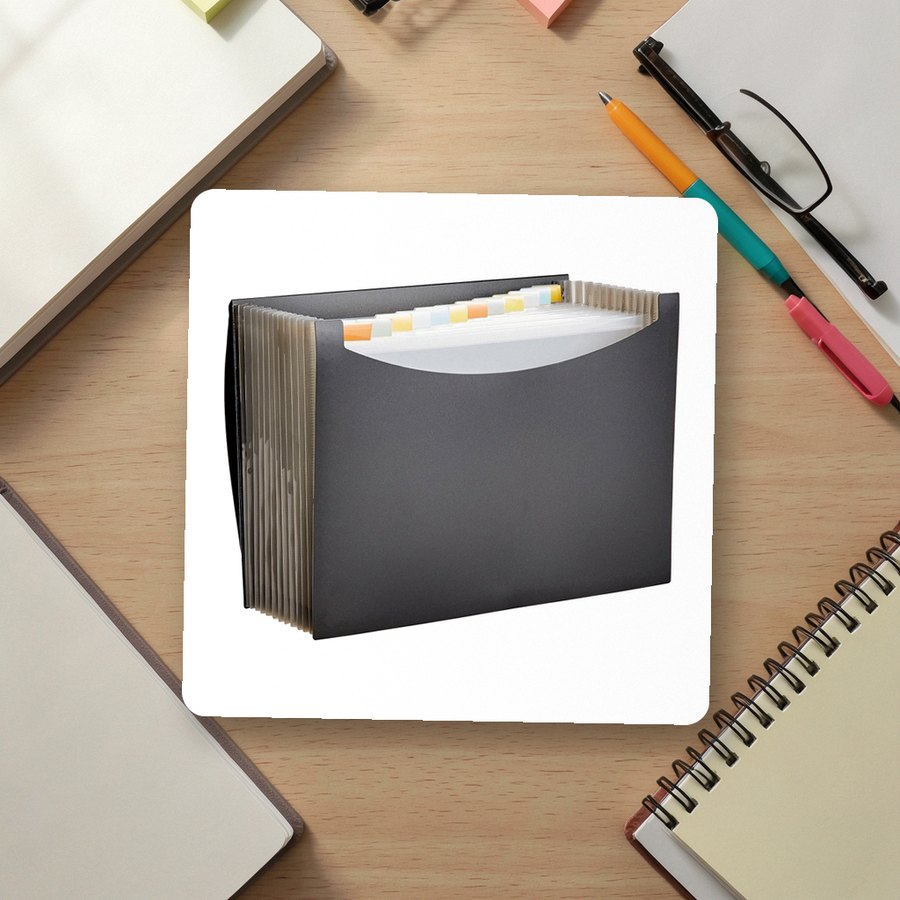 Accordion file, 13 pockets, letter sizeAmazon BasicsSee it on Amazon
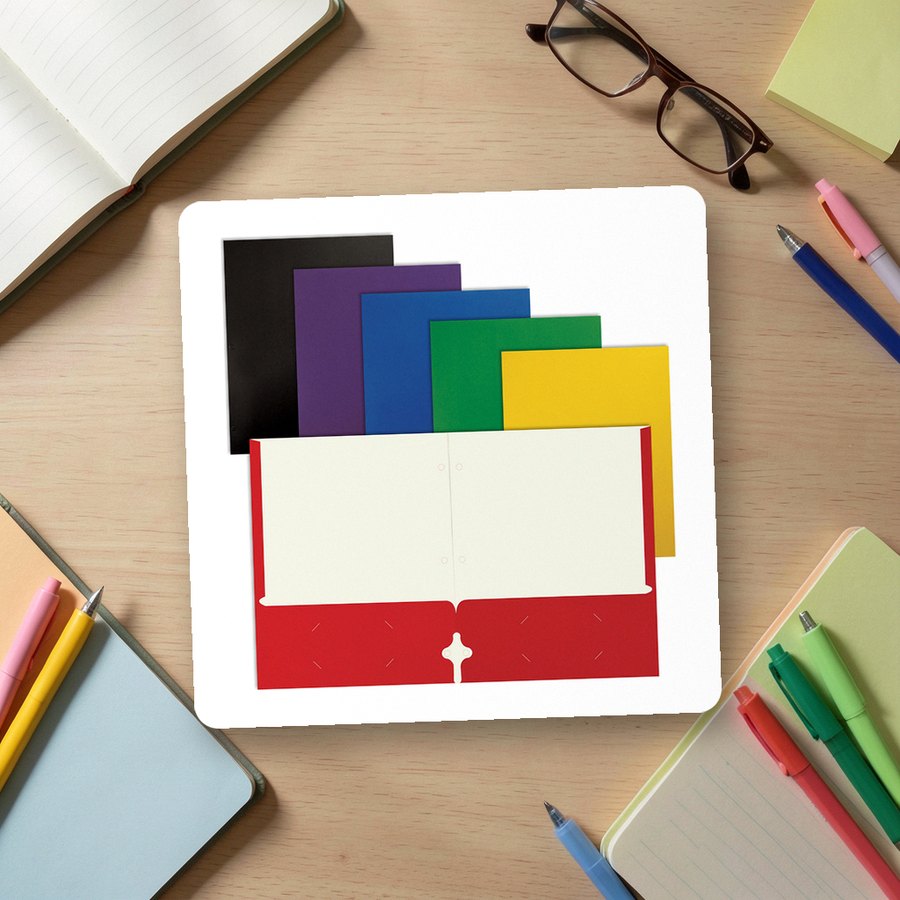 Two-pocket paper foldersBetter Office ProductsSee it on Amazon
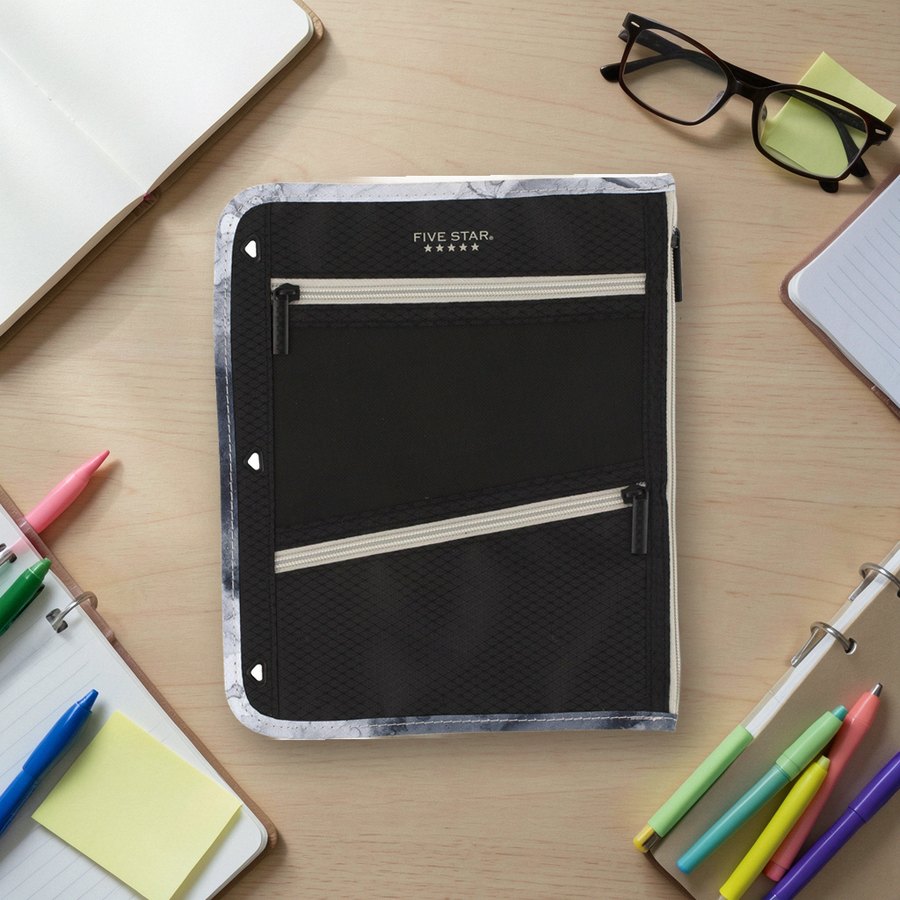 Zipper pencil pouch for a three-ring binderFive StarSee it on Amazon
As an Amazon Associate we earn from qualifying purchases.
Check the supply list for the ring size before you buy a binder for a particular class.
The First-Week Checklist
Work through this over the first five school days. Most of the items take twenty minutes or less; copying dates from every syllabus is the long one.
Before day one
- Buy the basics; wait on anything subject-specific.
- Choose your paper system and label it.
- Put the school calendar into your planner.
Days one to three
- Collect every syllabus and supply list in the homework folder.
- Write your timetable out with rooms and teacher names.
- Buy whatever the supply lists added.
- Create the folders for the year on your computer.
Days four and five
- Copy all test and due dates from each syllabus into the planner.
- Decide your homework start time and try it.
- Pack the bag the night before, two nights in a row.
- Do the first Friday reset.
After the first week, notice what is not working. If papers still pile up in the bottom of the bag, the paper system needs to be simpler, not stricter. Adjust it once, early, and then leave it alone. For notes that are worth keeping in those binders, see note-taking methods compared, and for more covers and spine labels, browse the binder covers and cover pages.
Templates for This Topic
Student & School Planner15 hand-picked · open the collection →Binder Covers & Cover Pages13 hand-picked · open the collection →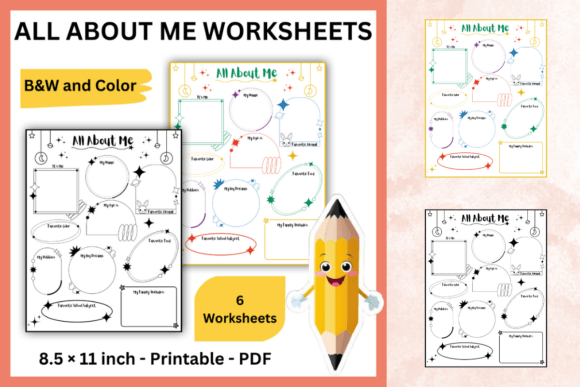 All About Me Printables14 hand-picked · open the collection →